

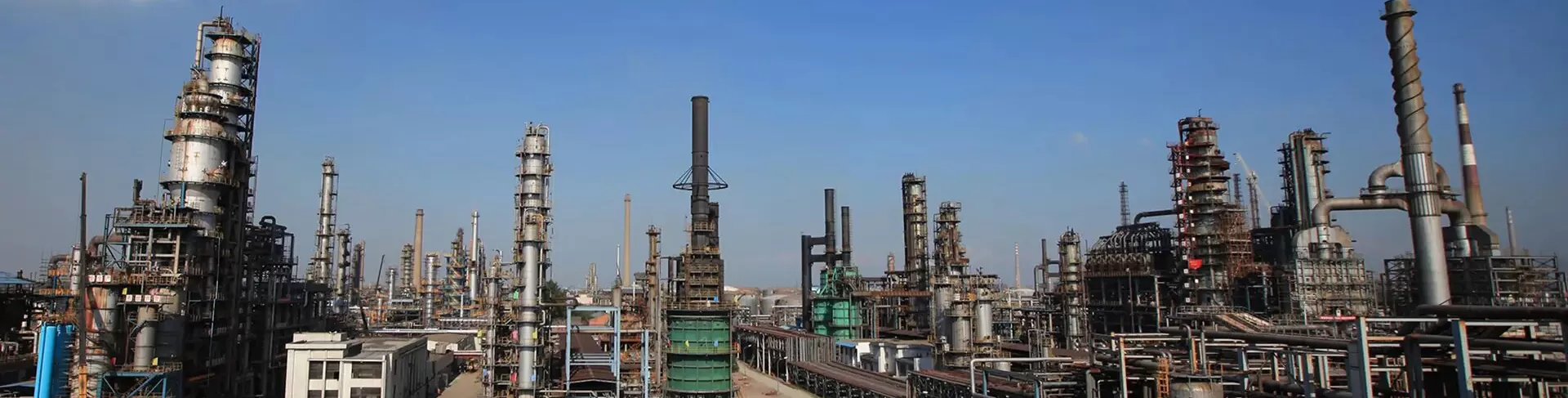
The global silicone industry is experiencing rapid growth, driven by demand in electronics, construction, and healthcare sectors. Central to this expansion is the production of high-purity organosilicon materials, which require rigorous purification to meet strict quality standards. Traditional packing solutions, such as metal or plastic media, often fail to address the unique challenges of organosilicon purification—including high temperatures, corrosive byproducts, and the need for precise separation. In response, ceramic random packing has emerged as a game-changer for silicone manufacturing plants, offering a combination of chemical stability, thermal resilience, and optimal mass transfer capabilities.
.jpg)
Key Advantages of Ceramic Random Packing in Organosilicon Processes
Ceramic random packing, typically made from high-purity alumina or zirconia, stands out for its exceptional performance in organosilicon purification. Its chemical inertness ensures resistance to the highly reactive byproducts of silicone synthesis, such as chlorides and acids, preventing degradation and maintaining long-term operational integrity. Unlike metal packings, which may corrode or leach contaminants, ceramic materials remain stable even at elevated temperatures (up to 1200°C), a critical factor in the multi-stage distillation and condensation processes used in silicone production. Additionally, the structured porosity of ceramic packing—characterized by interconnected channels—maximizes gas-liquid contact, significantly enhancing mass transfer efficiency and reducing separation time, thereby boosting overall plant productivity.
Selection Criteria for Ceramic Packing in Silicone Factories
When integrating ceramic random packing into silicone manufacturing lines, several factors must be considered to ensure optimal performance. The choice of packing geometry is paramount: common designs like Berl saddles or Intalox saddles, with their curved surfaces and high void fractions, promote uniform fluid distribution and minimize channeling. Material purity is another key consideration; ceramics with low impurity levels, such as 95% or 99% alumina, offer superior resistance to chemical attack and mechanical wear. Packing size also matters—smaller particles (e.g., 5-25mm) increase surface area but may lead to higher pressure drops, while larger sizes (25-50mm) reduce pressure loss but lower efficiency. Silicone plant engineers must balance these variables based on feedstock properties, production scale, and target purity levels.
FAQ:
Q1: How does ceramic random packing compare to plastic alternatives for silicone purification?
A1: Ceramic packing outperforms plastics in high-temperature and corrosive environments, as ceramics exhibit higher thermal stability and chemical resistance, making them ideal for long-term use in organosilicon processes.
Q2: What maintenance is required to extend the lifespan of ceramic random packing?
A2: Regular inspection for cracks or breakage, gentle cleaning to remove deposits, and avoiding rapid temperature fluctuations can help maintain the integrity and performance of ceramic packing over time.
Q3: Can ceramic random packing be retrofitted into existing silicone manufacturing equipment?
A3: Yes, ceramic random packing is compatible with most standard distillation columns and reactors, offering a cost-effective upgrade path to improve purification efficiency in existing plants.