

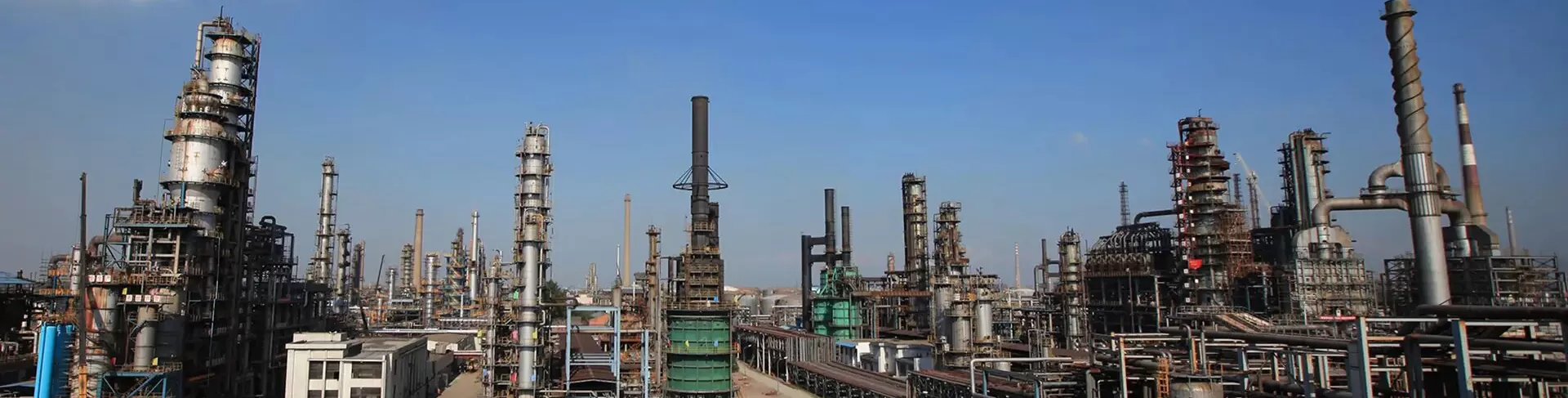
Epoxy resins stand as cornerstones in modern industrial manufacturing, widely used in aerospace, construction, and electronics due to their exceptional adhesive, mechanical, and thermal properties. For production facilities, maintaining consistent quality during thermoset polymer processing is non-negotiable—fluctuations in purity, reaction efficiency, or product consistency can lead to costly defects. Central to achieving this reliability is the selection of optimal equipment, with ceramic random packing emerging as a critical component in ensuring precision and quality control for epoxy resin production.
.jpg)
Advantages of Ceramic Random Packing in Epoxy Resin Facilities
Ceramic random packing, crafted from high-purity alumina or silica materials, offers distinct advantages tailored to epoxy resin production. Its inherent chemical inertness ensures resistance to the harsh, polar solvents and curing agents common in epoxy formulations, preventing material degradation or contamination. Unlike metal or plastic alternatives, ceramics maintain structural integrity even at the high temperatures required for thermoset polymerization, avoiding warping or leaching that could compromise product purity. Additionally, the irregular, porous structure of random packing maximizes specific surface area, facilitating efficient heat and mass transfer—key factors in controlling reaction kinetics and ensuring uniform curing of resins.
Performance Impact on Thermoset Polymer Quality
In practical applications, ceramic random packing directly impacts the quality of thermoset polymers. By minimizing channeling and dead zones in distillation or reaction columns, it promotes uniform flow distribution, reducing localized hotspots that might cause cross-linking inconsistencies. This uniformity translates to more consistent molecular weight distribution in the final polymer, resulting in products with predictable mechanical strength and thermal stability. For facilities prioritizing quality control, this reliability translates to fewer production failures, reduced rework, and enhanced customer satisfaction—critical in highly regulated industries like aerospace and medical device manufacturing.
Why Facilities Trust Ceramic Random Packing for Long-Term Reliability
Beyond immediate performance benefits, ceramic random packing provides long-term value that drives facility trust. Its hardness and resistance to abrasion ensure extended service life, reducing the frequency of replacements and associated downtime. Unlike organic packing materials, ceramics do not degrade over time due to chemical exposure or thermal cycling, maintaining efficiency throughout the production cycle. Complemented by robust manufacturing standards and supplier technical support, these attributes make ceramic packing a cost-effective choice for facilities aiming to balance quality, durability, and operational efficiency in thermoset polymer processing.
FAQ:
Q1: What properties of ceramic random packing make it ideal for epoxy resin production?
A1: Its chemical inertness resists epoxy solvents, high thermal stability withstands curing temperatures, and porous structure enhances mass transfer efficiency.
Q2: How does ceramic packing improve thermoset polymer quality control?
A2: It ensures uniform flow and temperature distribution, reducing reaction inconsistencies and promoting consistent molecular structure.
Q3: What sets ceramic random packing apart from other packing materials for epoxy facilities?
A3: Superior durability, chemical resistance, and long service life minimize maintenance needs and ensure stable, high-quality output.