

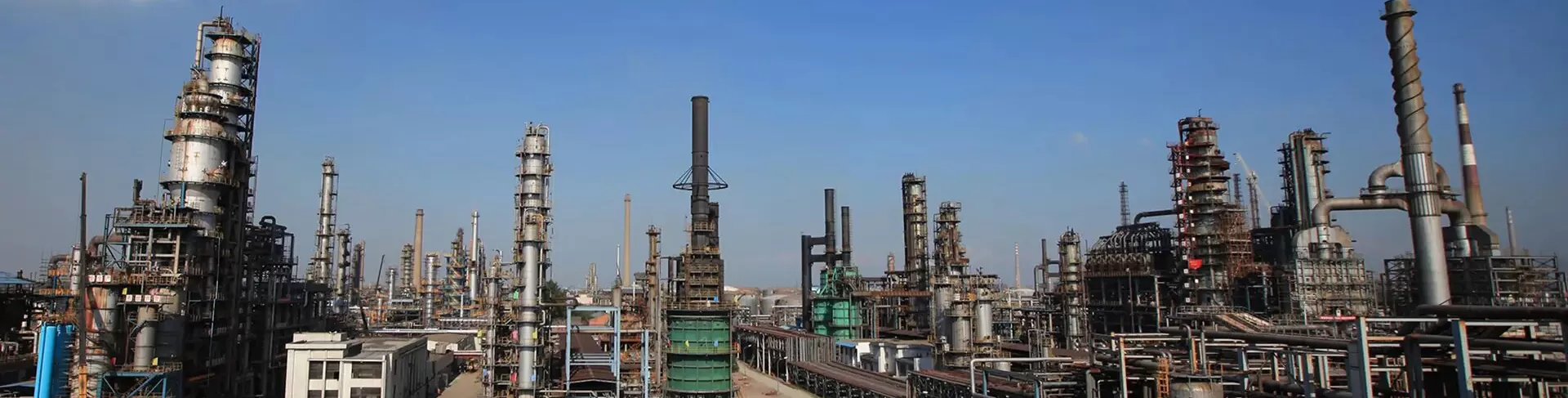
Industrial distillation columns serve as the backbone of chemical, petrochemical, and pharmaceutical production, enabling precise separation of complex mixtures. However, traditional packing materials often struggle with limitations like chemical degradation, mechanical fragility, or poor mass transfer efficiency. Enter ceramic random packing—an advanced solution engineered to address these challenges, revolutionizing distillation tower performance by boosting both separation precision and operational stability.
.jpg)
Material Science Foundation: Ceramic Random Packing’s Superior Properties
The core advantage of ceramic random packing lies in its material composition and inherent characteristics. Crafted from high-purity alumina, silica, or zirconia, these packings exhibit exceptional chemical inertness, resisting corrosion from acids, alkalis, and solvents. Unlike metal or plastic alternatives, ceramics maintain structural integrity even at high temperatures (up to 1,500°C), a critical trait for applications in extreme industrial environments. Additionally, their robust mechanical strength minimizes breakage under high-pressure fluid flow, reducing the need for frequent replacements and ensuring long-term reliability.
Structural Design: Optimizing Efficiency and Stability in Operation
Beyond material properties, ceramic random packing’s unique structure is key to its performance. Available in shapes like rings, saddles, and spheres, these packings feature a high specific surface area (typically 100–500 m²/m³) and optimal porosity (40–70%), creating an ideal environment for vapor-liquid contact. This design minimizes pressure drop while maximizing mass transfer rates, directly提升 separation efficiency by reducing the number of theoretical plates required. For stability, the uniform particle distribution and smooth surface of ceramic packing ensure consistent fluid distribution, preventing channeling and flooding. In industrial trials, columns equipped with ceramic packing have shown a 15–25% increase in separation efficiency and a 10–30% reduction in operational pressure drop compared to conventional packings.
Industry Adoption and Emerging Trends in Ceramic Packing
Ceramic random packing has gained widespread acceptance across sectors, from refineries processing crude oil to biotech facilities producing fine chemicals. Its resistance to fouling and compatibility with aggressive media make it indispensable in applications like alcohol distillation, solvent recovery, and gas purification. Looking ahead, the industry is moving toward customized packing solutions—tailoring specific surface areas and porosities to match unique process requirements. Innovations in 3D printing are also emerging, enabling the creation of complex, optimized geometries that further enhance efficiency, solidifying ceramic packing’s role as a cornerstone of modern distillation technology.
FAQ:
Q1: What primary factors determine the performance of ceramic random packing in distillation columns?
A1: Material purity, specific surface area, porosity, and operating conditions (temperature, pressure, and feed composition).
Q2: How does ceramic random packing compare to metal packings in terms of service life?
A2: Ceramics typically offer longer service life (5–10 years) due to superior corrosion and thermal shock resistance, outperforming metal packings in harsh environments.
Q3: Can ceramic random packing be retrofitted into existing distillation columns, or does it require full system replacement?
A3: It can often be retrofitted, with minimal modifications, by replacing old packing with ceramic random packing, reducing downtime and capital costs.