

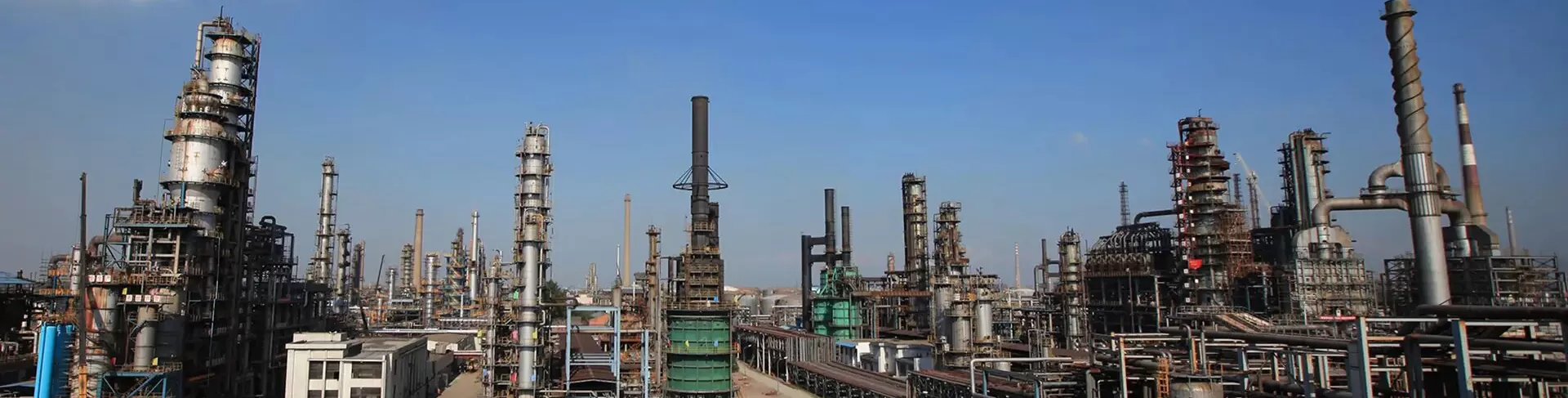
In the textile chemical industry, PTA (Pure Terephthalic Acid) serves as a critical raw material for producing polyester fibers, films, and plastics. The purification of PTA is a highly precise process, requiring efficient and reliable equipment to separate impurities and ensure product quality. ceramic packing has emerged as a preferred choice for this application, offering unique properties that address the demanding conditions of textile chemical production. Its exceptional performance not only boosts operational efficiency but also reduces long-term maintenance costs, making it an indispensable component in modern textile chemical plants.
/陶瓷矩鞍环填料 ceramic saddle ring packing (2).jpg)
Superior Chemical Resistance: The Cornerstone of Ceramic Packing in PTA Purification
Ceramic packing exhibits outstanding chemical resistance, a key advantage for PTA purification. The process involves handling strong acids, such as acetic acid and terephthalic acid, and high temperatures, which can degrade conventional materials like metals or plastics. Ceramic, with its inert nature, remains stable under these harsh conditions, preventing corrosion and contamination. This resistance ensures the packing maintains its structural integrity over extended periods, reducing the need for frequent replacements and minimizing production downtime. For textile chemical plants, this translates to consistent operation and reliable output, critical for meeting strict industry quality standards.
Enhanced Mass Transfer Efficiency for Higher Purity Output
The design of ceramic packing, particularly structured or random types, is engineered to optimize mass transfer—a vital factor in PTA purification. With a high specific surface area and well-distributed pores, ceramic packing facilitates efficient contact between gas and liquid phases, accelerating the separation of PTA from impurities. This enhanced mass transfer not only improves the purity of the final PTA product but also increases production throughput. In textile chemical processes, where even minor impurities can affect fiber quality, this efficiency directly contributes to better product performance and reduced post-purification processing steps.
Long-Term Cost Savings and Sustainability Benefits
Beyond performance, ceramic packing offers significant cost advantages for textile chemical operations over its lifespan. Its high mechanical strength and resistance to wear and tear mean it has a much longer service life compared to other packing materials, reducing the frequency of maintenance and replacement. Additionally, the reduced need for chemical cleaning agents and energy consumption to operate pumps and compressors (due to lower pressure drop across the packing) further lowers operational costs. Environmentally, ceramic packing is inert and non-toxic, posing minimal risk of releasing harmful substances into the ecosystem, aligning with the growing demand for sustainable manufacturing practices in the textile chemical industry.
FAQ:
Q1: What makes ceramic packing suitable for PTA purification in textile chemical processes?
A1: Its excellent chemical resistance, high temperature tolerance, and efficient mass transfer properties, which prevent corrosion and ensure precise separation.
Q2: How does ceramic packing improve production efficiency in textile chemical plants?
A2: By reducing pressure drop and enhancing separation efficiency, it increases PTA throughput and purity, minimizing post-purification steps and downtime.
Q3: What maintenance requirements does ceramic packing have for textile chemical applications?
A3: Minimal maintenance is needed, as its durability and chemical stability reduce the need for frequent cleaning or replacement, lowering operational costs.