

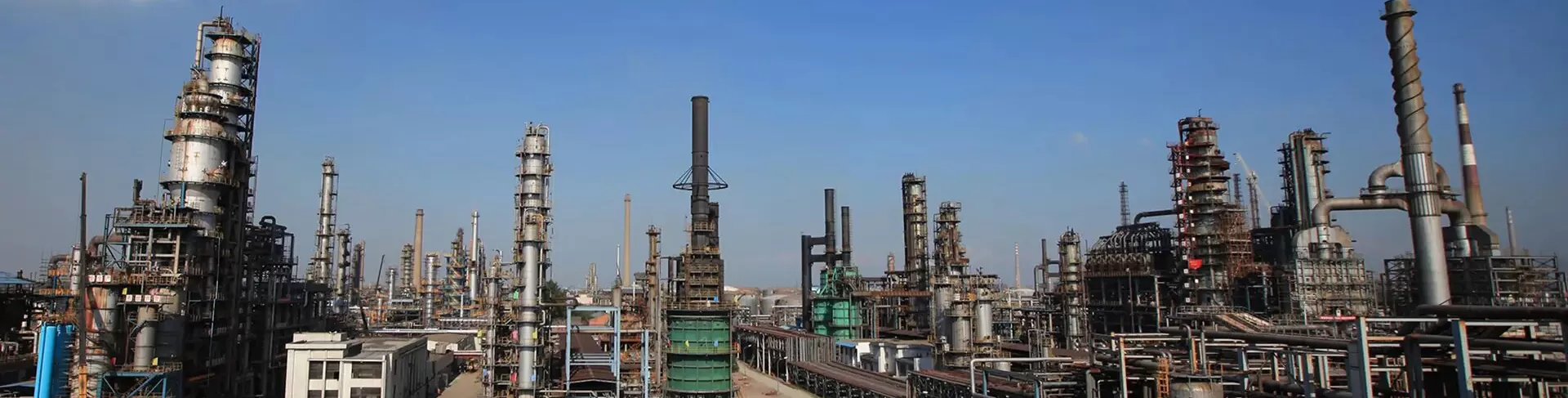
In the dynamic landscape of chemical processing, high-pressure distillation towers stand as critical infrastructure, demanding robust, efficient, and reliable packing solutions. Traditional distillation packings often struggle with structural integrity under extreme pressure, leading to reduced separation efficiency, increased maintenance costs, and operational risks. This has driven the development of pressure-resistant saddle ring packing—a specialized填料 designed to meet the rigorous demands of high-pressure distillation environments. By combining advanced material science and optimized structural engineering, this packing revolutionizes column performance, ensuring consistent separation results even under the most challenging conditions.
.jpg)
Material Selection and Structural Design
The performance of pressure-resistant saddle ring packing hinges on two foundational elements: material composition and structural geometry. Materials are carefully selected from high-strength alloys and corrosion-resistant compounds, such as 316L stainless steel, titanium, and Inconel 625, to withstand the mechanical stress and chemical attack inherent in high-pressure distillation. These materials exhibit exceptional yield strength, maintaining shape stability even at pressures exceeding 10 MPa. Structurally, the saddle ring design features a curved, hourglass-like profile with enhanced surface roughness, maximizing the specific surface area for vapor-liquid contact. This design not only increases mass transfer efficiency but also promotes uniform fluid distribution across the packing bed, minimizing channeling and dead zones that hinder separation.
Performance Advantages in High Pressure Conditions
Under high-pressure distillation conditions, pressure-resistant saddle ring packing delivers distinct advantages that outperform conventional packings. First, its robust structure resists collapse and deformation, ensuring long-term operational stability without the need for frequent replacements. Second, the optimized saddle geometry reduces fluid flow resistance, lowering pressure drop by 15-20% compared to traditional ring packings, which is critical for maintaining energy efficiency in high-pressure systems. Additionally, the increased surface area and improved mass transfer kinetics enhance separation efficiency, enabling higher purity of distillates and reducing the number of theoretical stages required in the distillation column. These combined benefits make it an ideal choice for processes where both separation precision and operational reliability are non-negotiable.
Applications and Industry Benefits
Pressure-resistant saddle ring packing finds widespread application across the chemical, petrochemical, and pharmaceutical industries, particularly in high-pressure distillation systems for separating complex mixtures. In the oil refining sector, it is used in vacuum distillation towers to separate heavy hydrocarbons with minimal pressure loss. In pharmaceutical production, it ensures the purity of active pharmaceutical ingredients (APIs) by maintaining consistent separation under extreme conditions. The packing also excels in gas processing, where high-pressure gas-liquid separation demands both efficiency and durability. For end-users, this translates to lower maintenance costs, extended equipment lifespan, and improved process yields, making it a cost-effective solution for long-term high-pressure distillation operations.
FAQ:
Q1
What makes pressure resistant saddle ring packing suitable for high pressure distillation?
A1
Its high-strength material composition (e.g., 316L stainless steel, titanium) and optimized saddle structure ensure structural stability, reduce pressure drop, and enhance mass transfer efficiency under extreme pressure.
Q2
How does the saddle design improve separation efficiency in high pressure environments?
A2
The curved, rough surface increases specific surface area for vapor-liquid contact, while the hourglass shape promotes uniform fluid distribution, minimizing channeling and dead zones to boost separation precision.
Q3
What pressure range is typically supported by this packing?
A3
Most models handle operating pressures up to 10 MPa (1450 psi), with custom options available for specialized high-pressure systems exceeding 15 MPa in chemical and petrochemical applications.