

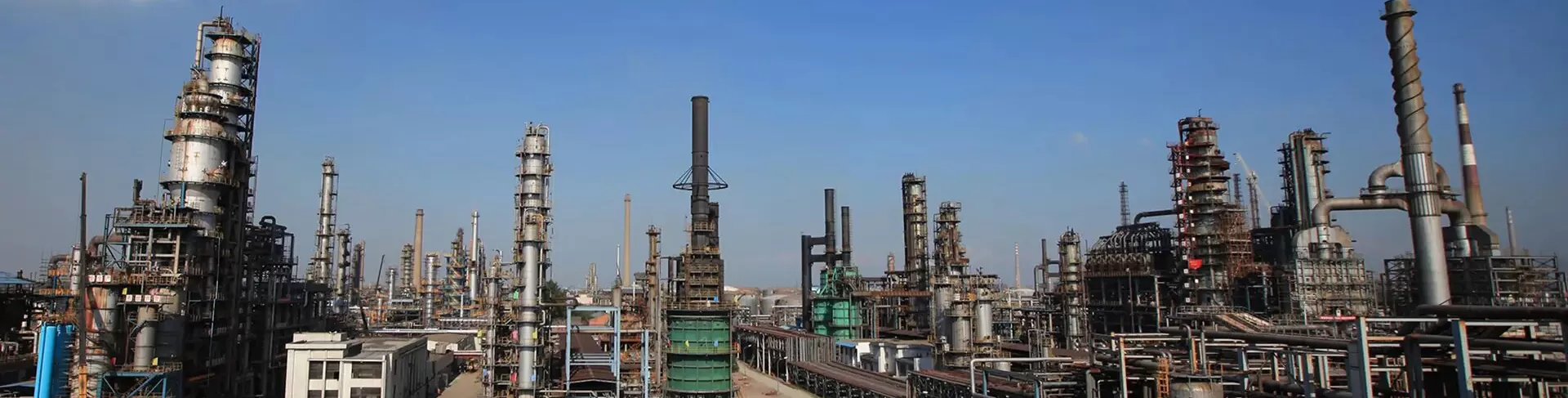
activated alumina adsorption balls have established themselves as indispensable components in the chemical processing industry, serving as high-performance packing materials for adsorption-based separation processes. Widely used in gas and liquid purification systems, these spherical media exhibit exceptional ability to capture impurities, remove contaminants, and enhance process efficiency. Their unique structural and chemical characteristics make them a preferred choice for industries ranging from petrochemicals to environmental protection, where maintaining product purity and operational stability is paramount.
.jpg)
Physical and Chemical Properties
The performance of activated alumina adsorption balls is rooted in their distinct physical and chemical properties. Physically, these balls typically feature a porous structure with a high specific surface area, ranging from 200 to 500 m²/g, which maximizes the available sites for adsorbate molecules. Their spherical shape ensures uniform packing density, minimizing channeling and dead spaces in columns. Chemically, they demonstrate excellent stability in acidic, basic, and neutral environments, withstanding temperatures up to 600°C, which broadens their applicability in harsh industrial conditions. Additionally, their mechanical strength prevents breakage during high-velocity fluid flow, ensuring prolonged service life and consistent performance.
Adsorption Mechanism and Efficiency
The adsorption efficiency of activated alumina adsorption balls arises from a combination of physical and chemical adsorption mechanisms. Physically, they rely on van der Waals forces to attract and retain molecules through surface contact, while chemical adsorption involves the formation of chemical bonds between adsorbates and the alumina surface, particularly for polar molecules like water and certain organic compounds. This dual mechanism enables the balls to effectively remove a wide range of contaminants, including moisture, hydrocarbons, heavy metals, and toxic gases. Experimental data consistently show their high adsorption capacity, often exceeding 15% by weight for water vapor in air and over 20% for specific organic solvents, making them highly efficient compared to conventional packing materials.
Industrial Applications and Advantages
In industrial settings, activated alumina adsorption balls find extensive use across diverse sectors. In the petrochemical industry, they purify natural gas by removing moisture and sulfur compounds, preventing equipment corrosion and ensuring product quality. In environmental protection, they treat industrial wastewater to eliminate pollutants before discharge, complying with strict emission standards. The food and beverage sector also employs them to refine liquids, removing colorants and off-flavors. Key advantages include their high selectivity for target adsorbates, low regeneration energy requirements, and cost-effectiveness over time due to their long service life and ease of regeneration. Unlike some alternatives, they maintain performance even under varying process conditions, contributing to stable and reliable industrial operations.
FAQ:
Q1: What is the primary factor determining the adsorption capacity of activated alumina adsorption balls?
A1: The high porosity and large specific surface area, which provide abundant adsorption sites for adsorbate molecules.
Q2: Can these balls be reused after reaching adsorption saturation?
A2: Yes, they can be regenerated by heating to 150-300°C or purging with inert gases, allowing repeated use and reducing operational costs.
Q3: Are activated alumina adsorption balls suitable for high-pressure industrial systems?
A3: Yes, their excellent mechanical strength ensures stable performance under high-pressure conditions, making them ideal for column-based separation processes.