

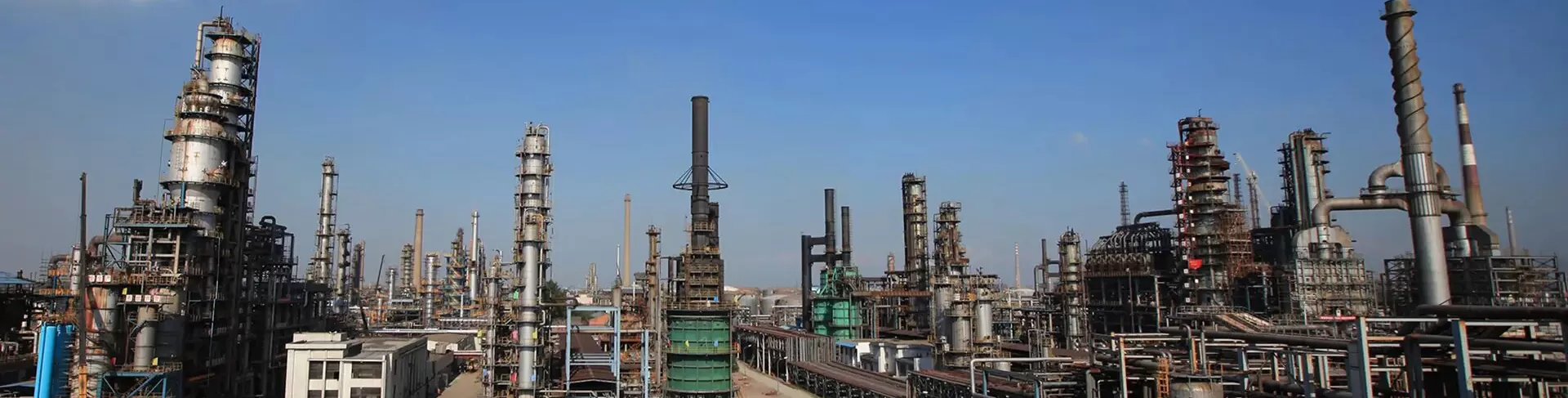
In the chemical processing industry, distillation remains a cornerstone of separating mixtures into pure components, with efficiency and reliability directly impacting production costs and product quality. Traditional packings like raschig rings or pall rings, though widely used, often fall short in balancing high separation efficiency, low pressure drop, and long-term durability. This is where high-performance metal saddle ring packing emerges as a game-changer, engineered to address these limitations and elevate distillation column performance to new heights.
.jpg)
Design & Engineering: The Science Behind Superior Performance
The metal saddle ring packing derives its exceptional efficiency from a unique geometric design. Unlike straight-walled rings, its curved, saddle-shaped structure creates a continuous network of channels that optimize gas-liquid contact. Crafted from high-strength metals such as 304/316L stainless steel or titanium, it combines robustness with chemical resistance, ensuring stability even in harsh process conditions (e.g., high temperatures, corrosive media). Key engineering features include a large specific surface area (typically 300-500 m²/m³), high porosity (up to 85%), and controlled void fractions, all of which enhance mass transfer rates and reduce operational bottlenecks.
Operational Benefits: Translating to Real-World Productivity
Beyond structural design, metal saddle rings deliver tangible operational advantages. Their optimized flow path minimizes pressure drop—often 10-15% lower than conventional packings—while maximizing throughput capacity, allowing columns to process larger volumes of feedstock without sacrificing separation purity. In industrial applications, this translates to faster separation cycles, higher product yields, and reduced energy consumption. For instance, in petrochemical distillation of crude oil fractions, metal saddle rings have demonstrated a 15-20% improvement in theoretical plate count and a 12% reduction in energy usage compared to traditional alternatives, making them indispensable in modern refineries.
Installation & Longevity: Practical Advantages for End Users
Ease of installation and low maintenance further solidify the appeal of metal saddle rings. The packing’s uniform, modular structure simplifies loading into columns, even in vertical or horizontal setups, reducing installation time by up to 30%. Chemically inert and resistant to erosion, it requires minimal upkeep—no frequent replacements or complex cleaning procedures—extending its service life to 8-12 years in most industrial environments. This not only cuts operational costs but also minimizes downtime, ensuring consistent production output.
FAQ:
Q1: What materials are available for metal saddle ring packing?
A1: Common options include 304 stainless steel (general corrosion resistance), 316L stainless steel (high corrosion resistance for aggressive media), and titanium (ideal for extreme chemical conditions).
Q2: Which industries benefit most from metal saddle ring packing?
A2: It is widely used in petrochemical, fine chemical, pharmaceutical, and environmental protection industries, particularly for distillation processes requiring high efficiency and durability.
Q3: How does metal saddle ring packing compare to ceramic or plastic packings?
A3: It outperforms ceramic/polymer packings in strength, temperature tolerance, and chemical resistance, with comparable or better mass transfer efficiency and lower pressure drop.