

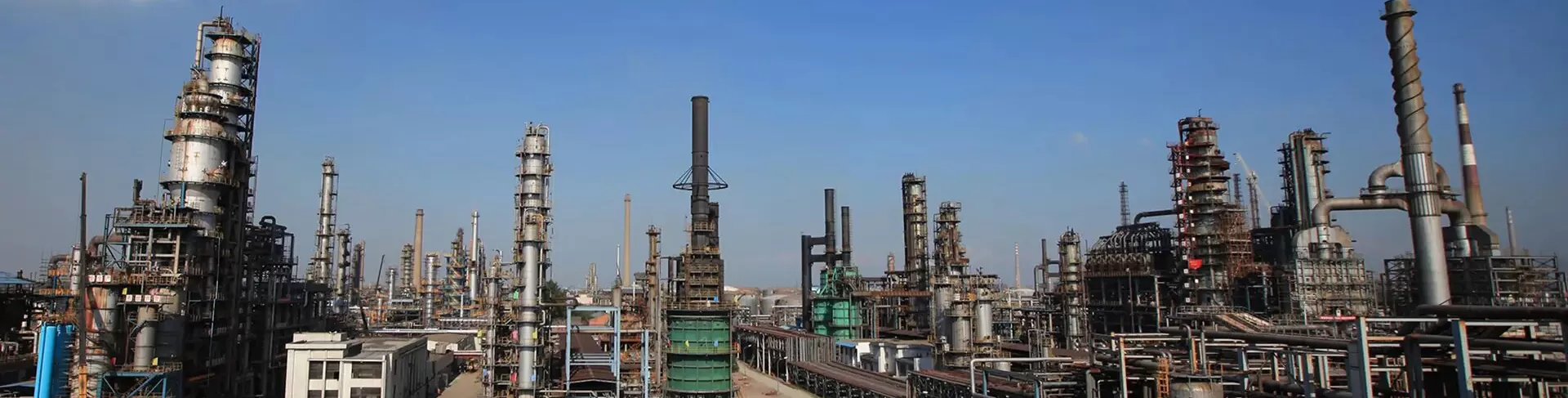
In the rapidly evolving landscape of chemical engineering, the demand for sustainable solutions has never been more critical. Traditional industrial processes often rely on materials and methods that leave significant environmental footprints, from resource depletion to carbon emissions. However, a paradigm shift is underway, driven by innovations in eco-conscious materials and low-impact production. Central to this movement is zeolite—a naturally occurring mineral with unique properties that align perfectly with green initiatives, redefining how chemical packing solutions are designed and manufactured.
.jpg)
Zeolite: A Natural Foundation for Sustainable Packing
Zeolite’s inherent characteristics make it an ideal candidate for eco-conscious packing. Composed of microporous crystals, it offers exceptional surface area, high adsorption capacity, and thermal stability—key attributes for applications in distillation, gas separation, and water purification. Unlike synthetic alternatives, zeolite is mined from natural deposits, reducing the need for energy-intensive synthesis. Its renewable origin also minimizes the extraction of non-renewable resources, laying a solid foundation for sustainable industrial practices. Additionally, zeolite’s ability to be regenerated and reused further extends its lifecycle, reducing waste and lowering the overall environmental burden.
Low-Impact Production: Redefining Industry Standards
The production of eco-conscious zeolite packing prioritizes minimal environmental harm at every stage. Modern facilities have adopted energy-efficient manufacturing methods, such as solar-powered processing and hydropower integration, to reduce reliance on fossil fuels. Water usage is optimized through closed-loop systems, with treated wastewater recycled for cooling and cleaning processes. Material waste is minimized by repurposing byproducts from mining and processing, while emissions are controlled using advanced filtration and catalytic converters. Even the packaging of the final product is designed sustainably, using biodegradable materials and reducing excess packaging—all in line with circular economy principles.
Driving Industry-Wide Change: From Lab to Implementation
The integration of eco-conscious zeolite packing into industrial operations has yielded tangible results. Early adopters report reduced operational costs due to lower energy consumption and extended material lifespans, alongside improved compliance with environmental regulations. For example, water treatment plants using zeolite packing have cut their carbon emissions by 30% while enhancing purification efficiency. Beyond cost savings, industries are increasingly prioritizing sustainability as a competitive advantage, with consumers and regulators alike favoring partners with strong green credentials. This shift is not just a trend but a necessary evolution, as zeolite packing paves the way for a more resilient and responsible chemical processing sector.
FAQ:
Q1: What defines eco-conscious zeolite packing compared to traditional alternatives?
A1: Eco-conscious zeolite packing is natural, renewable, and requires minimal energy for production, with low waste generation and reusable properties, unlike synthetic packing that often relies on non-renewable resources and high energy inputs.
Q2: How do low-impact production processes reduce environmental harm?
A2: Low-impact processes use renewable energy, optimize resource use, recycle materials, and implement advanced waste management, resulting in reduced carbon emissions, water pollution, and overall ecological footprint.
Q3: Can eco-conscious zeolite packing match the performance of conventional chemical packing?
A3: Yes. Zeolite’s superior adsorption capacity, thermal stability, and high efficiency make it on par with or better than traditional packing, delivering reliable results while prioritizing sustainability.