

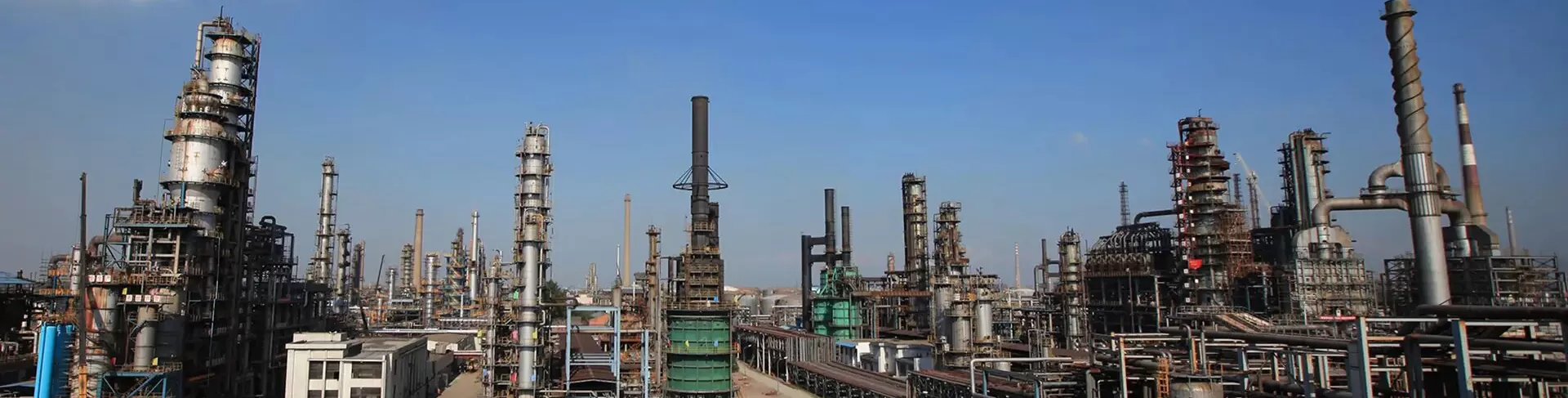
In the dynamic landscape of chemical processing, handling aggressive media—such as strong acids, alkalis, and high-temperature solvents—poses persistent challenges for equipment integrity. Traditional packing materials often degrade under such conditions, leading to reduced efficiency, frequent maintenance, and increased operational costs. However, corrosion-resistant zeolite packing has emerged as a transformative solution, leveraging the natural properties of zeolites to sustain performance in the harshest industrial settings.
.jpg)
Zeolite’s Natural Corrosion Resistance: A Fundamental Advantage
At the core of zeolite’s effectiveness lies its inherent corrosion resistance, rooted in its unique crystalline structure and chemical composition. Unlike metals or ceramics, which may react with aggressive chemicals to form oxides or dissolve over time, zeolites exhibit exceptional chemical inertness. Their porous framework, composed of silicon-aluminum-oxygen tetrahedrons, is highly stable, resisting attack from a broad range of corrosive agents. This stability ensures that the packing retains its structural integrity even when exposed to prolonged contact with acids (e.g., sulfuric, nitric), alkalis (e.g., sodium hydroxide, potassium hydroxide), or oxidizing media, making it a reliable choice for demanding applications.
Enhanced Performance in Aggressive Environments
Beyond corrosion resistance, zeolite packing delivers superior performance in environments where traditional materials falter. In chemical reactors, distillation columns, and absorption systems, the packing’s high surface area and uniform pore distribution facilitate efficient mass transfer, a critical factor for process yield and purity. In aggressive conditions, this performance remains consistent: unlike plastic packings that degrade under UV exposure or metal packings prone to pitting, zeolite packing maintains its porosity and surface characteristics. For instance, in high-temperature sulfuric acid environments, zeolite packing shows minimal weight loss and no loss of mass transfer efficiency, ensuring stable operation over extended periods.
Long-Term Reliability and Cost Efficiency
The durability of corrosion-resistant zeolite packing translates directly to long-term cost savings for industrial operations. Traditional packing materials, such as metal or polymer, require frequent replacement due to corrosion or wear, leading to downtime and high maintenance expenses. Zeolite packing, by contrast, can operate for 5–10 years in aggressive environments, significantly reducing replacement cycles. Additionally, its resistance to chemical attack minimizes the need for cleaning or repair, lowering operational costs and ensuring consistent production output. For large-scale chemical plants handling corrosive media, this reliability translates to a lower total cost of ownership compared to conventional alternatives.
FAQ:
Q1: What is corrosion-resistant zeolite packing?
A1: It is a type of packing material made from zeolites, crystalline silicate minerals with high chemical inertness and corrosion resistance, designed for use in chemical processing equipment to handle aggressive media.
Q2: In which environments is corrosion-resistant zeolite packing most effective?
A2: It excels in environments with strong acids, alkalis, high temperatures, or oxidizing media, where traditional packing materials often degrade quickly.
Q3: How does zeolite packing compare to other corrosion-resistant packing types?
A3: Zeolite packing offers superior chemical inertness, longer service life, and lower maintenance costs than metal or polymer packings, making it ideal for long-term industrial use in corrosive conditions.