

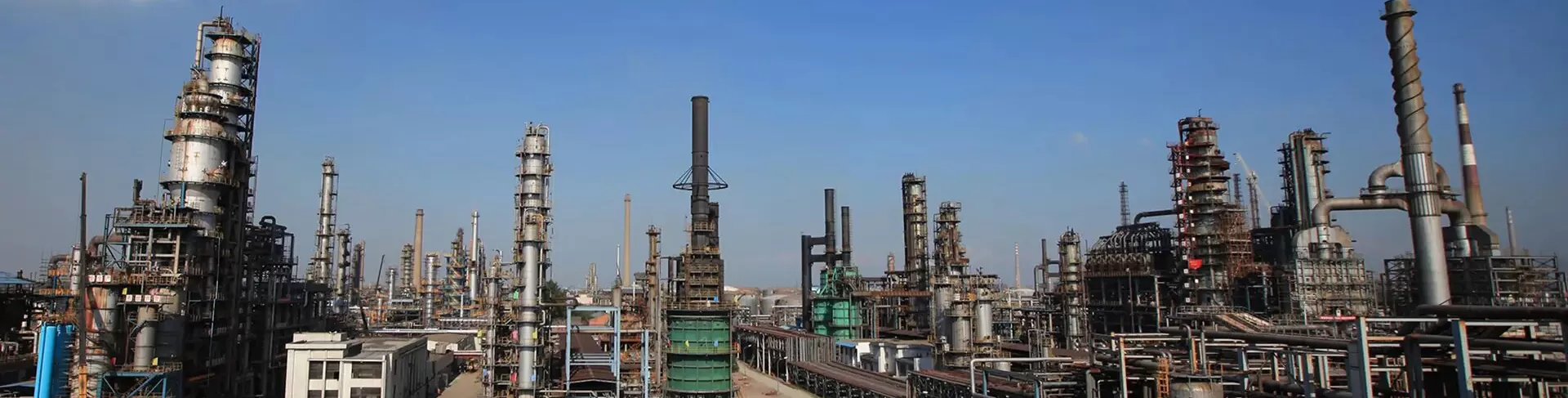
Petrochemical reforming processes are vital for transforming heavy hydrocarbons into high-value products such as gasoline, diesel, and aromatic compounds. However, traditional catalytic materials often struggle with limitations in reaction rate, selectivity, and stability, which can hinder industrial productivity and product quality. In recent years, catalytic zeolites have emerged as a breakthrough solution, leveraging their unique properties to significantly enhance reaction kinetics in these critical processes. This article explores how catalytic zeolites revolutionize petrochemical reforming and drive technological advancement.
.jpg)
The Unique Structural and Chemical Properties of Catalytic Zeolites
The exceptional performance of catalytic zeolites originates from their well-defined crystalline framework, characterized by uniform micropores, a regular arrangement of active sites, and high thermal stability. Unlike amorphous catalysts, zeolites feature a three-dimensional network of channels and cages, which act as molecular sieves, controlling the access of reactants and the diffusion of products. This structural precision ensures that only molecules of the appropriate size can interact with the active sites (e.g., Brønsted and Lewis acid sites), preventing unwanted side reactions and coking. Additionally, the adjustable acidity of zeolites allows for tailored catalytic behavior, making them highly adaptable to different reforming requirements. These properties collectively form the foundation for their ability to accelerate reaction kinetics and outperform conventional catalysts.
Mechanisms Driving Enhanced Reaction Kinetics in Reforming
Catalytic zeolites enhance reaction kinetics in petrochemical reforming through multiple synergistic mechanisms. First, their narrow pore size distribution minimizes mass transfer resistance, enabling faster reactant adsorption and product desorption at the active sites. This directly increases the turnover frequency (TOF) of the catalyst, a key indicator of reaction rate. Second, the uniform acid strength of zeolites promotes selective bond cleavage and formation, reducing the production of low-value byproducts and improving product purity. For instance, in reforming reactions like dehydrocyclization, zeolites facilitate the conversion of naphthenes to aromatics with minimal hydrogenation side reactions. Furthermore, their high thermal and hydrothermal stability allows zeolites to operate under the high-temperature and high-pressure conditions typical of reforming processes, ensuring consistent activity and extended catalyst lifetime.
Industrial Impact: Boosting Efficiency and Sustainability in Petrochemical Reforming
The integration of catalytic zeolites into industrial reforming units delivers tangible benefits. Refineries using zeolite catalysts report up to 30% higher reaction rates and 15% improved product yields compared to traditional alumina or silica-alumina catalysts. This efficiency gain not only reduces production costs but also increases the output of high-demand products like high-octane gasoline and benzene, toluene, and xylene (BTX) aromatics. Moreover, zeolites enable the production of cleaner fuels by minimizing the formation of sulfur and nitrogen compounds, aligning with strict environmental regulations. By optimizing reaction pathways and reducing energy consumption, zeolite-based reforming processes also contribute to sustainability goals, supporting the chemical industry’s shift toward greener operations.
FAQ:
Q1: How does the porous structure of catalytic zeolites enhance reaction kinetics?
A1: The uniform microporous structure of zeolites acts as a molecular sieve, controlling reactant access and product diffusion, which reduces mass transfer resistance and accelerates reaction rates.
Q2: What makes zeolites more stable than other reforming catalysts under harsh conditions?
A2: Zeolites have high thermal and hydrothermal stability, allowing them to maintain structural integrity and activity even at high temperatures and pressures typical of reforming processes.
Q3: What are the primary benefits of using zeolites in petrochemical reforming?
A3: Zeolites improve reaction rate, product selectivity, and fuel quality, while reducing energy consumption and operational costs, making them ideal for industrial scale-up.