

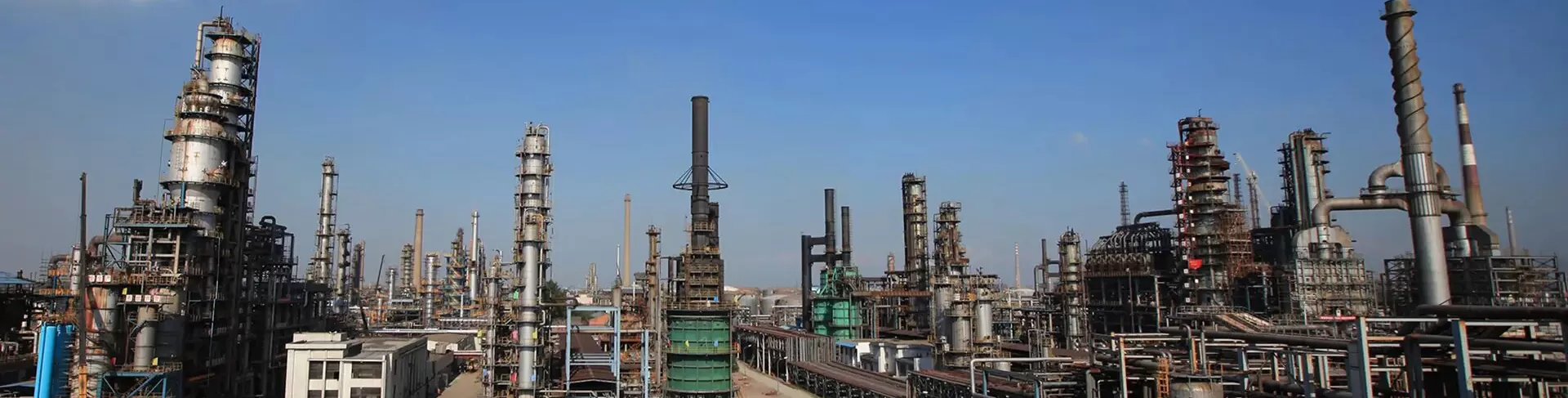
Hydrogen is an indispensable clean energy carrier, fueling industries from refineries to fuel cell applications. Industrial hydrogen production heavily depends on Steam Methane Reforming (SMR), where natural gas (methane) reacts with steam at high temperatures (700-900°C) to generate syngas (H₂, CO, CO₂). In this process, the efficiency of reactors and subsequent purification steps directly impacts hydrogen output and purity. cascade ring Packing has become a critical component, engineered to optimize these stages and elevate overall hydrogen production performance.
/阶梯环1cascade ring 1423 (1).jpg)
Structural Superiority: Redefining Packing Efficiency
Unlike traditional random packings, Cascade Ring Packing features a unique "stepped ring" design. Its conical edge and extended legs increase the specific surface area by 15-20% compared to standard rings, while maintaining high porosity (>90%). This structural optimization minimizes fluid channeling and dead zones, ensuring uniform distribution of reactants and heat. Significantly, the design reduces pressure drop by 10-15%, allowing higher gas/liquid flow rates without sacrificing separation efficiency—key advantages over conventional鲍尔环 or pall rings.Core Role in SMR and Purification
In SMR reactors, Cascade Ring Packing accelerates the methane-steam reaction. The enhanced mass transfer surface promotes faster conversion of methane to syngas, raising the reaction rate by 12-18% in typical industrial settings. For post-SMR purification (e.g., Pressure Swing Adsorption/PSA units), its precise pore structure ensures efficient separation of H₂ from CO, CO₂, and impurities, boosting product purity to 99.99% or higher. This dual role in reaction and purification simplifies plant design, reducing the need for additional separation stages.Performance Benefits and Industry Impact
Field data from major hydrogen production plants shows that Cascade Ring Packing lowers overall energy consumption by 8-12% compared to traditional packings. Its durability—resisting high temperatures (up to 1,000°C) and corrosive atmospheres—ensures long-term stability, cutting maintenance costs by 25%. This makes it ideal for large-scale hydrogen projects, aligning with global goals to decarbonize industries and meet rising demand for clean energy.FAQ:
Q1: How does Cascade Ring Packing compare to metal vs. plastic packings?
A1: It balances the high-temperature tolerance of metal (e.g., stainless steel) and chemical resistance of plastic, offering a versatile solution for diverse industrial environments.
Q2: What is the typical service life of this packing?
A2: With proper maintenance, it can operate stably for 8-10 years, far exceeding the 3-5 year lifespan of conventional packings.
Q3: Does it suit small hydrogen plants, or is it only for large-scale facilities?
A3: Available in various sizes, it works for both small (50-100 Nm³/h) and large (>10,000 Nm³/h) hydrogen production systems, making it widely applicable.