

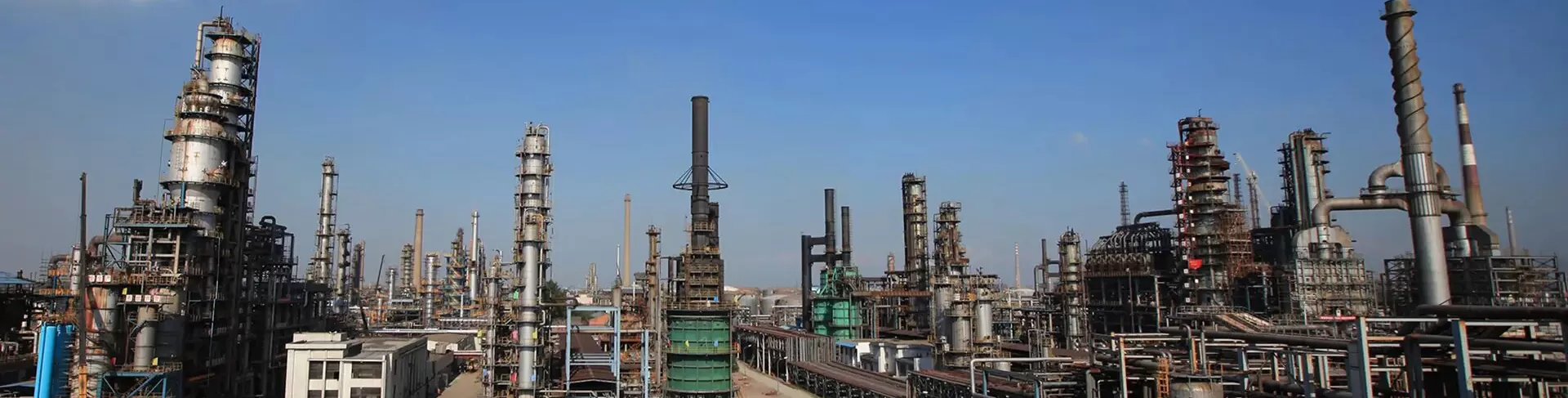
Acetic acid, a fundamental chemical raw material, plays a pivotal role in industries ranging from pharmaceuticals to plastics. Its production involves complex processes, with purification being a critical step to ensure product quality and meet strict industrial standards. Traditional purification methods, however, often struggle with issues like low separation efficiency, high energy consumption, and equipment corrosion, especially in large-scale facilities. In response, the integration of advanced packing materials has become a key innovation, and ceramic random packing has emerged as a leading choice for enhancing carboxylic acid purification in acetic acid production systems.
.png)
Key Properties of Ceramic Random Packing for Acetic Acid Distillation
Ceramic random packing stands out due to its unique material properties tailored for acetic acid purification. Its primary advantage lies in chemical inertness, which resists corrosion from acetic acid and other byproducts, ensuring long-term operational stability. Additionally, the structured porosity of ceramic packings creates an optimal specific surface area, maximizing mass transfer efficiency during distillation. This design feature allows for more effective vapor-liquid contact, reducing the number of theoretical plates required and lowering energy input for separation. Furthermore, ceramic materials exhibit excellent thermal stability, enabling reliable performance even under the high temperatures common in acetic acid distillation columns.
Design Integration of Ceramic Packings in Production Facilities
Successful integration of ceramic random packing into acetic acid production facilities requires careful consideration of system design. Modern facilities often rely on distillation columns as the core purification unit, and packing selection must align with column dimensions, operating pressure, and feed composition. Ceramic packings, available in shapes like rings or saddles, are engineered to minimize pressure drop while maintaining high separative capacity, making them suitable for both new installations and retrofitting existing columns. Customization options, such as varying packing size and surface texture, allow facilities to match performance to specific production demands, ensuring seamless compatibility with upstream and downstream processes.
Performance and Economic Benefits of Ceramic Random Packing
Beyond operational efficiency, ceramic random packing delivers significant economic and environmental advantages. Its durability reduces the need for frequent replacements, lowering maintenance costs over the equipment’s lifecycle. The improved mass transfer efficiency directly translates to reduced energy consumption for distillation, aligning with sustainability goals. For acetic acid producers, this translates to lower operational expenses and a smaller carbon footprint. Real-world case studies show that facilities integrating ceramic packing have reported a 15-20% increase in production output and a 10-12% reduction in energy costs compared to those using conventional packing materials.
FAQ:
Q1: How does ceramic random packing improve acetic acid purification compared to metal or plastic options?
A1: Ceramic packing offers superior chemical resistance to acetic acid, higher thermal stability, and a more optimized surface structure for vapor-liquid contact, leading to better separation efficiency and longer service life.
Q2: What factors determine the right size of ceramic random packing for an acetic acid production facility?
A2: The size depends on column diameter, operating pressure, and feed flow rate. Smaller packings (e.g., 25-50mm) suit high-efficiency, small-diameter columns, while larger sizes (50-100mm) work better for large-scale systems with higher throughput.
Q3: Are ceramic random packings suitable for continuous or batch acetic acid production processes?
A3: Yes, they are versatile and compatible with both batch and continuous operations. Their robust design ensures consistent performance, and modular installation allows easy adjustment to process variations.