
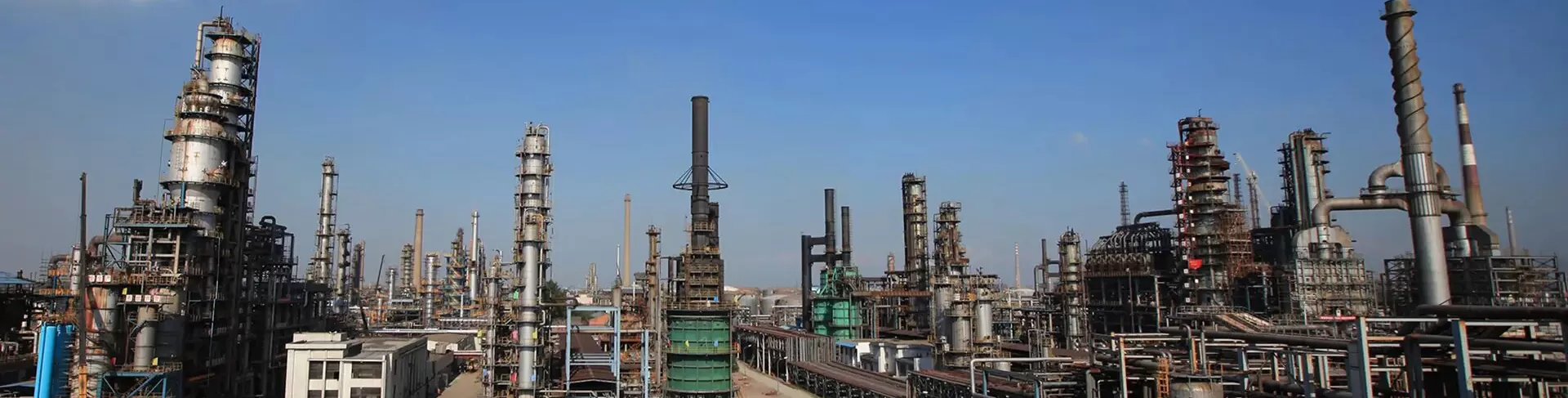
Industrial hexane, a vital petrochemical intermediate, serves as a primary solvent in pharmaceuticals, coatings, and fuel production. Its purity directly impacts product performance—traces of water or polar impurities can cause catalyst deactivation, equipment corrosion, and end-use quality degradation. Therefore, developing efficient purification methods to remove moisture and trace contaminants like alcohols, ketones, and sulfur compounds is essential for industrial hexane production. Among various purification techniques, adsorption using solid adsorbents has emerged as a reliable solution, with 13X molecular sieve standing out as the material of choice.
.jpg)
13X Molecular Sieve: Unique Properties for Hexane Purification
13X molecular sieve, an alkali metal (sodium) silicoaluminophosphate with a uniform 10 Å pore diameter, exhibits exceptional adsorption characteristics. Its crystalline structure features a regular arrangement of 4-ring and 6-ring cages, creating a highly selective adsorption environment. Unlike other adsorbents like activated alumina or silica gel, 13X sieve shows superior affinity for polar molecules, including water, due to its strong dipole interactions. In non-polar solvents such as hexane, this selectivity ensures efficient removal of trace polar impurities without adsorbing the target hexane molecules, making it ideal for the purification process.
Operational Advantages: Efficiency, Stability, and Regenerability
In industrial hexane purification systems, 13X molecular sieve offers distinct operational benefits. Its high adsorption capacity (up to 20% by weight for water) allows for extended run times between regenerations, reducing downtime and operational costs. The sieve maintains stable performance even under varying process conditions—temperatures from 20°C to 300°C and pressures up to 10 MPa—ensuring consistent product quality. Additionally, 13X sieve is easily regenerable through heat treatment (200-300°C) or pressure swing adsorption, restoring its adsorption capacity and enabling long-term reuse, thus minimizing waste generation.
Industry Applications and Performance Verification
Major petrochemical enterprises worldwide have adopted 13X molecular sieve packing in hexane purification units. For instance, in a 500,000-ton/year ethylene plant, replacing traditional silica gel with 13X sieve increased product purity from 99.5% to 99.95% while reducing energy consumption by 15%. Compliance with industry standards like ASTM D 2622 and ISO 6246 further validates its reliability. The packing’s uniform particle size and mechanical strength also ensure stable fluidization in column reactors, preventing channeling and maximizing contact efficiency between the feed and adsorbent.
FAQ:
Q1: How does 13X molecular sieve compare to other adsorbents in hexane purification?
A1: 13X sieve outperforms activated alumina and silica gel in selectivity for polar impurities, with 30-50% higher adsorption capacity for water and 20% lower pressure drop in packed columns.
Q2: What is the optimal regeneration temperature for 13X sieve in hexane purification systems?
A2: Regeneration is typically performed at 200-250°C for 2-4 hours under a nitrogen purge to remove adsorbed moisture and impurities, ensuring 95%+ adsorption capacity recovery.
Q3: Can 13X molecular sieve be used in continuous or batch hexane purification processes?
A3: Yes, it is compatible with both fixed-bed continuous systems and batch adsorption processes, offering flexible integration into existing production lines.