

Biogas, a renewable energy source derived from organic matter decomposition, primarily consists of methane (CH4) and carbon dioxide (CO2). While its potential as a clean fuel is significant, CO2 dilution reduces methane's calorific value and limits applications in power generation, heating, and fuel cells. To address this, efficient CO2 removal and methane concentration enhancement are critical, where 13X molecular sieve technology emerges as a leading solution.
.jpg)
Understanding 13X Molecular Sieve: Core Properties for CO2 Adsorption
13X molecular sieve, a crystalline zeolite with a uniform 1 nm pore diameter, exhibits unique properties ideal for CO2 adsorption. Its well-defined pore structure and high ion-exchange capacity create a strong affinity for CO2 molecules, prioritizing their adsorption over methane. Unlike other adsorbents, 13X's polar surface and small pore size (0.33 nm kinetic diameter for CO2 vs. 0.38 nm for CH4) enable selective separation, ensuring minimal methane loss. With a typical CO2 adsorption capacity of 15-25 wt%, it efficiently captures CO2 from biogas streams, even at low partial pressures, making it highly suitable for industrial-scale purification.
Industrial Biogas Purification Process: Integration of 13X Molecular Sieve Technology
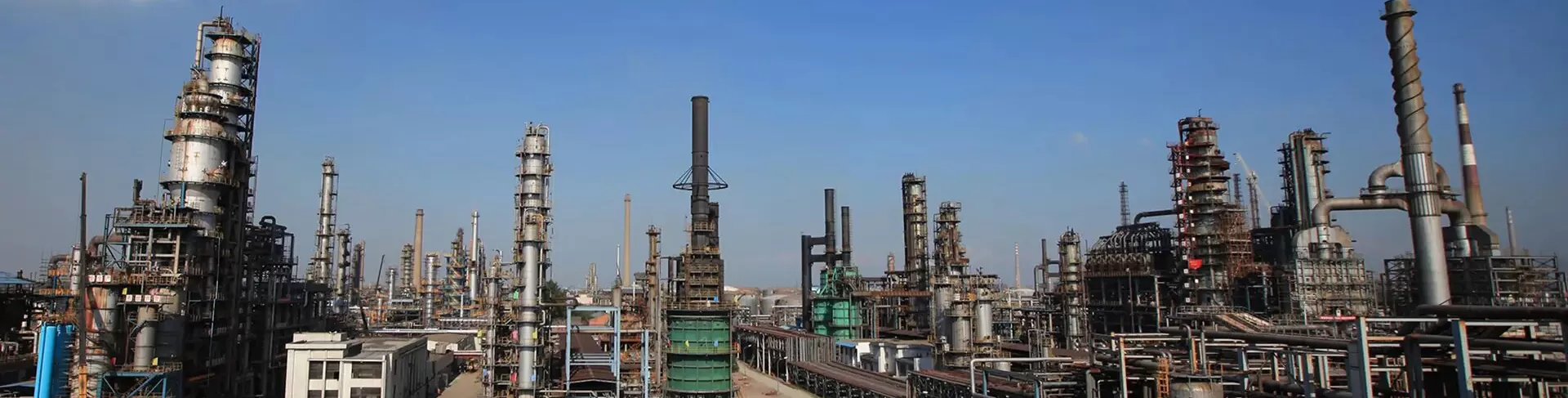
In practical applications, 13X molecular sieve is integrated into packed-bed adsorption towers. Raw biogas flows upward through the sieve, where CO2 is selectively trapped, leaving a high-purity methane-rich gas. To maintain efficiency, the sieve undergoes periodic regeneration: heated to 100-150°C, adsorbed CO2 desorbs, and the sieve is reused. Modern systems use dual-tower configurations, allowing continuous operation—one tower adsorbs while the other regenerates—ensuring 24/7 processing. This setup, combined with optimized flow rates and temperature controls, achieves CO2 removal efficiencies exceeding 90%, resulting in methane concentrations of 95% or higher, meeting pipeline standards.
Advantages of 13X Molecular Sieve in Biogas Purification: Beyond CO2 Removal
13X molecular sieve offers more than just high CO2 removal. Its stability under varying temperatures (up to 400°C) and pressures ensures long service life, reducing replacement costs. Regeneration is energy-efficient, often utilizing waste heat from biogas engines, lowering operational expenses. Unlike liquid solvents, it avoids corrosion and chemical waste, aligning with sustainability goals. These benefits make it superior to alternatives like amine absorption or activated carbon, especially in mid-scale biogas plants where reliability and cost-effectiveness are critical.
FAQ:
Q1: How frequently does 13X molecular sieve require regeneration?
A1: Regeneration intervals depend on biogas composition and flow rate, typically every 8-24 hours, with each cycle lasting 2-4 hours (heating and purging).
Q2: What is the maximum methane concentration achievable with 13X sieve?
A2: Under optimal conditions, 13X can increase methane concentration from raw biogas (50-70%) to 98% or higher, meeting natural gas pipeline specifications.
Q3: How does 13X sieve compare to other adsorbents for CO2 removal in biogas?
A3: 13X outperforms activated carbon in CO2 selectivity and capacity, with lower regeneration energy needs, making it more suitable for continuous industrial biogas purification.